
Historic Rome, NY, incorporated in 1870, is a city of 72 square miles conveniently located in the geographical center of NYS at the foothills of the Adirondacks. Due to its strategic location, it was considered one of the most important transportation points for people and goods along the Great Passage during the settling and founding of our nation in the 1700s and 1800s.
 In 1758, Fort Stanwix was constructed to protect the great Carrying Place and its settlers. The first shovel of dirt was turned at Rome for the Erie Canal, which bridged the gap between waterways to enable travel and opened the American West. During the Industrial Revolution, Rome gained the reputation as the “Copper City” as its metal industries produced an estimated 10 percent of all copper in the US. Throughout the centuries, our great city has been home to many of our country’s pioneering minds and remarkable patriots.
Francis Bellamy, who is most famous for authoring the “Pledge of Allegiance,” is buried here in Rome. Alex Haley, the talented author of “Roots,” also lived in Rome. In 1851, Jesse Williams inaugurated the factory systems of making cheese from sweet milk. And John Dove, who was instrumental in the development of the CD-ROM technology, was a fellow Roman.
Historical Attractions
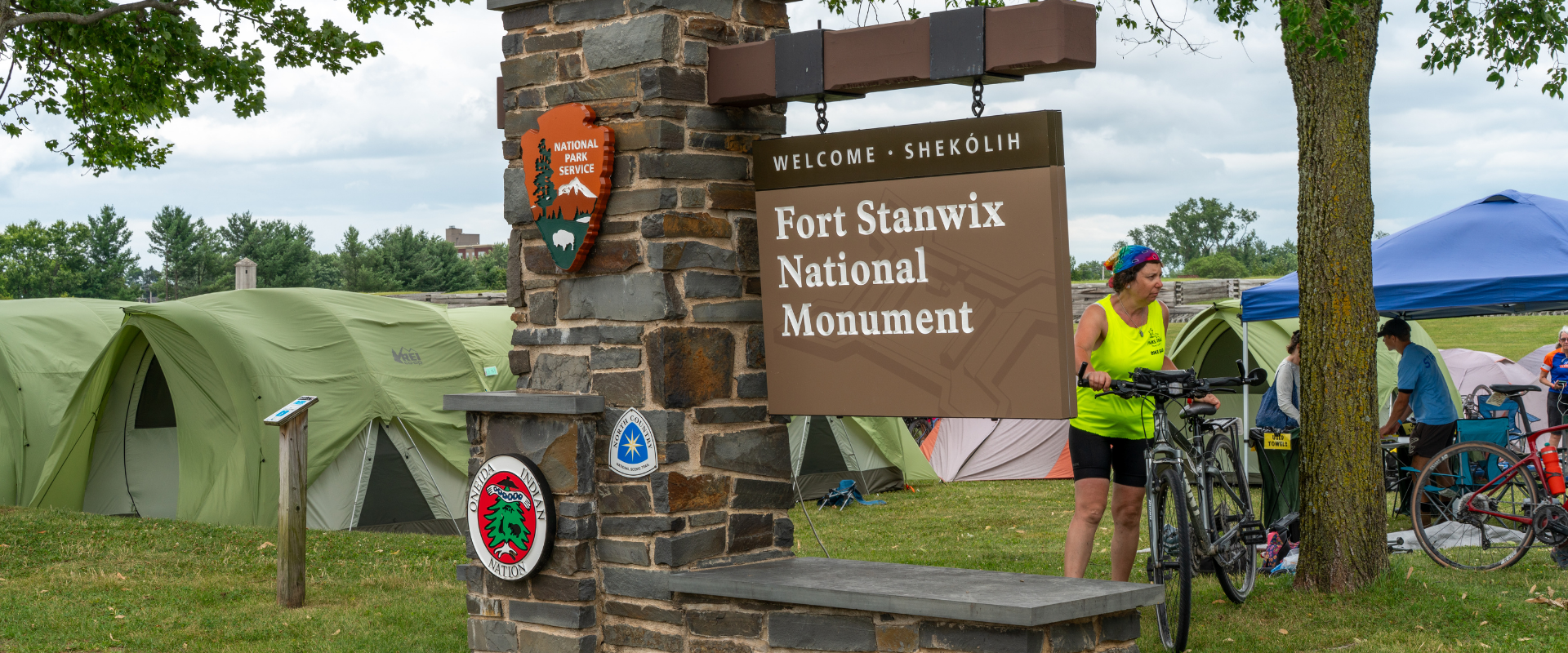
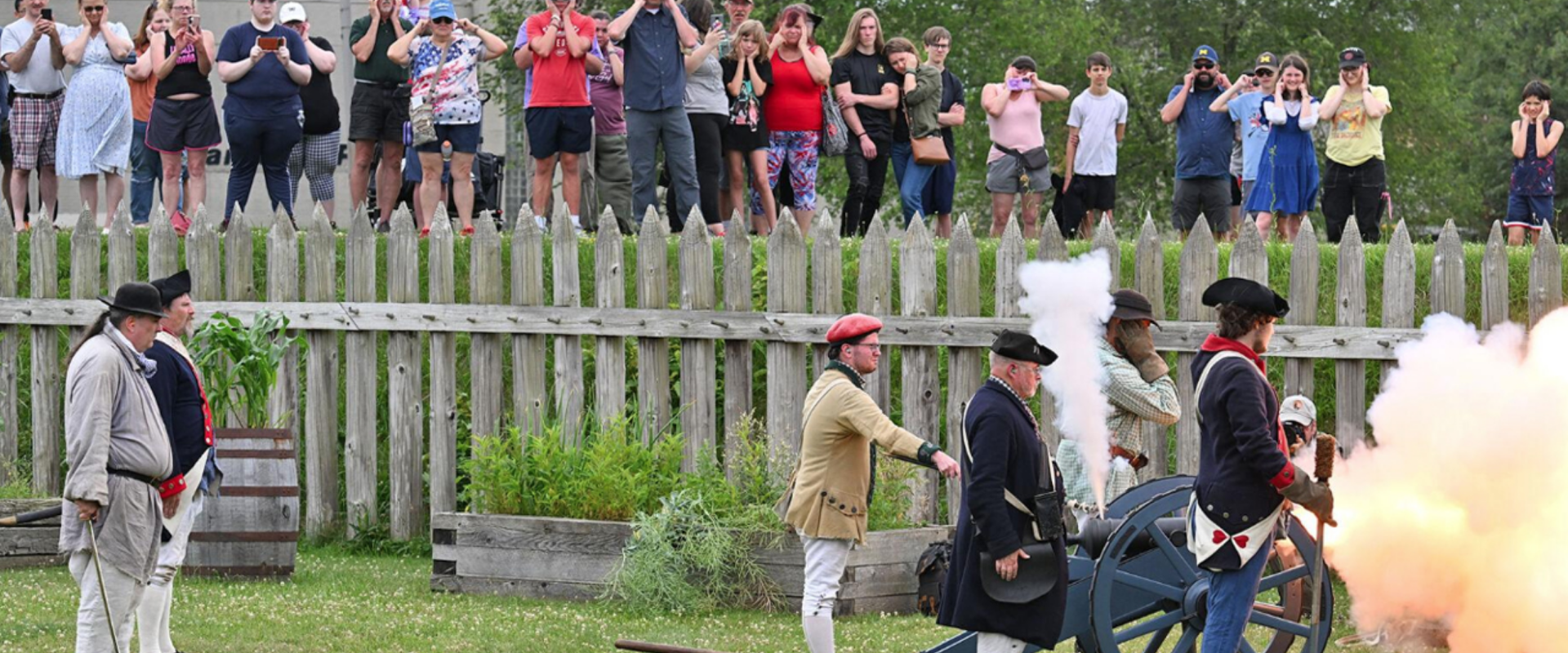
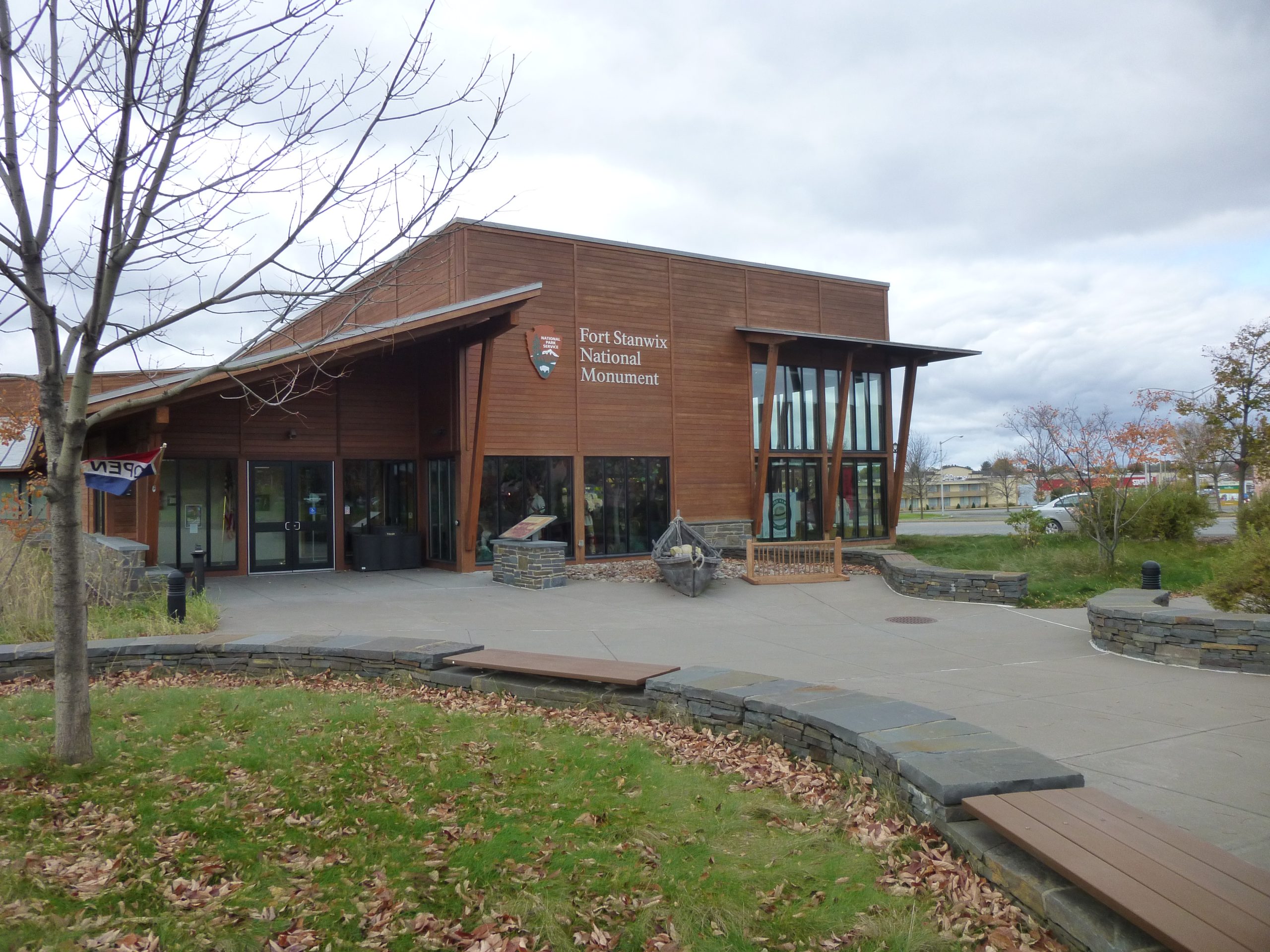
Visit Fort Stanwix, where our shared heritage comes alive every day, and explore the sights, sounds, smells and feel of the 18th century. Discover how people endured harsh lives along the Oneida Carrying Place, the superhighway of the 18th century, and directly contributed to the American victory at Saratoga and westward expansion through New York’s gateway to the west.
Rediscover hundreds of archeological pieces in the museum and enjoy the fort diorama, theater and bookstore in the visitor center. Visit the National Park Service website https://www.nps.gov/fost/
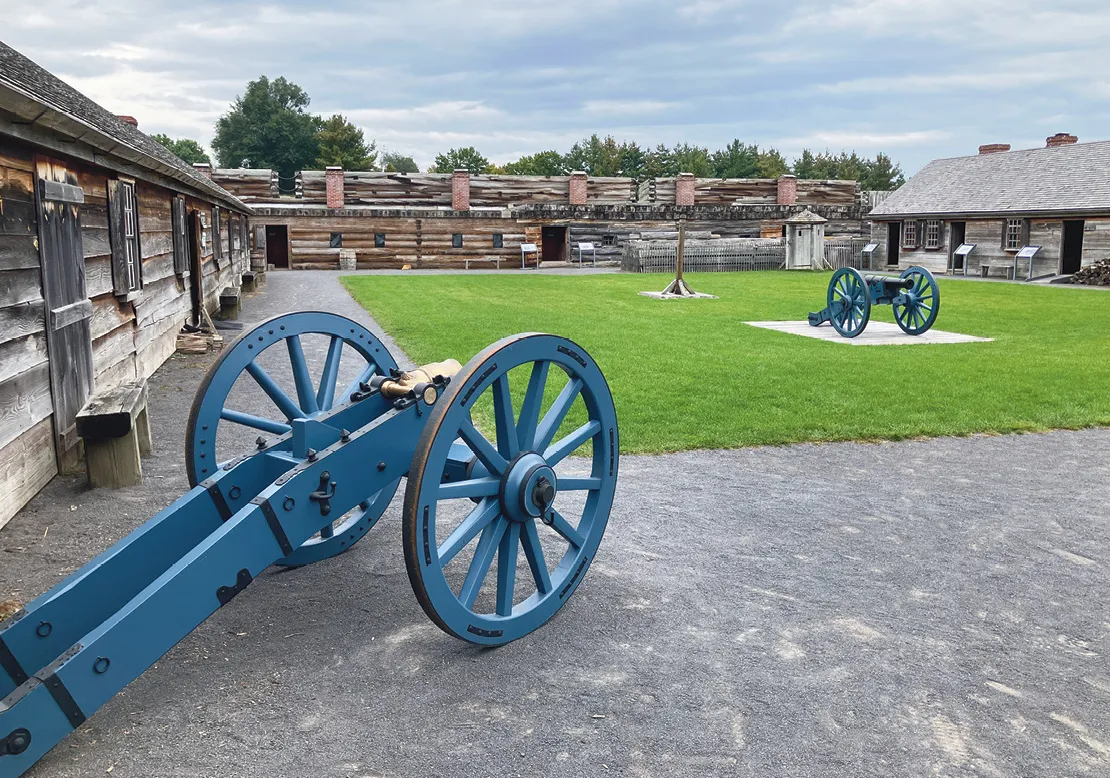
The new Marinus Willett Collections Management and Education Center embodies the mission of the National Park Service at Fort Stanwix National Monument; to preserve our national resources and to provide an enjoyable educational experience for this and future generations. Within the Willett Center, Fort Stanwix National Monument will store and preserve its 485,000 artifacts and documents inside a state-of-the-art collection facility. The exhibits within the building explore the story of Fort Stanwix and the Mohawk Valley through the eyes of the people who lived in New York during the American Revolutionary War. The Willett Center is located at the corner of Erie Boulevard and James Street in Rome, New York and opened on July 1, 2005.
Additionally, the Willett Center serves as a regional tourism center. As the western gateway to the Mohawk Valley, tourists traveling by foot, bicycle, motor vehicle, train or boat will learn about the many opportunities available in Central New York.
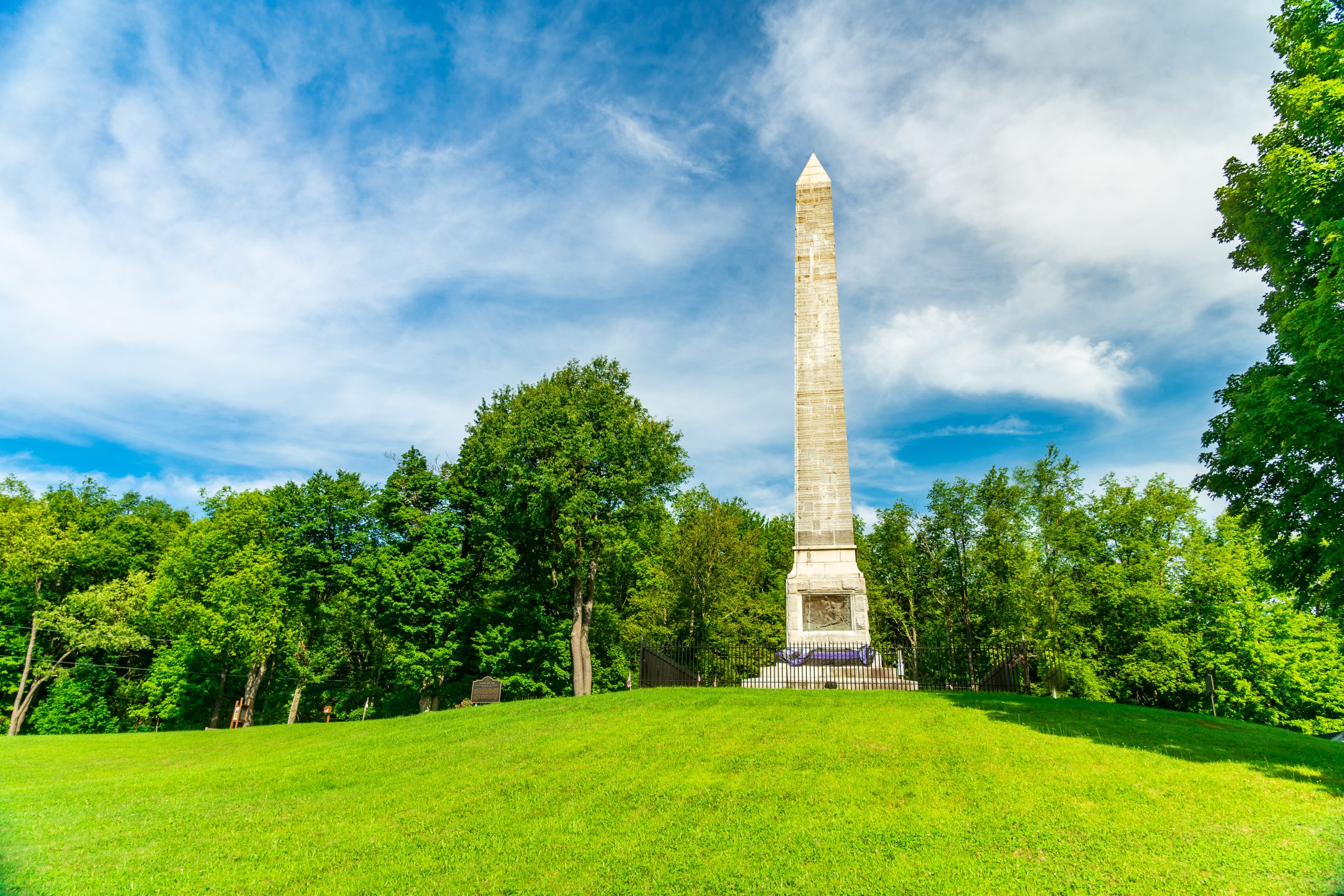
Oriskany Battlefield State Historic Site. Photo Courtesy of Oneida County Tourism.
The Oriskany Monument was erected by the Oneida County Historical Society to mark the spot where, 107 years before, the battle of Oriskany was fought and General Herkimer fell. It was dedicated on August 6, 1884 and there were about 6,000 people in attendance. A marker was placed on, or near, the spot where General Herkimer sat after he was wounded and directed the battle. This is the last of the 14 markers erected along the route taken by General Herkimer and his Mohawk Valley men on their way to relieve Fort Stanwix (Oriskany Chapter, D. A. R.; sons Oriskany assisted.)
The Rome Historical Society was founded in 1936 and has its home in the former U.S. Post Office. Like similar groups, it began with the vision of a few Rome citizens who believed in the value of saving items from the past for citizens of the future. Today, the Society has a museum, the William E. Scripture Memorial Library, archives, artifacts, and much more to offer researchers.
Our 100-seat auditorium offers a podium, slide projector and screen, a sound system and is available with advance booking. For more information visit https://romehistoricalsociety.org/museum
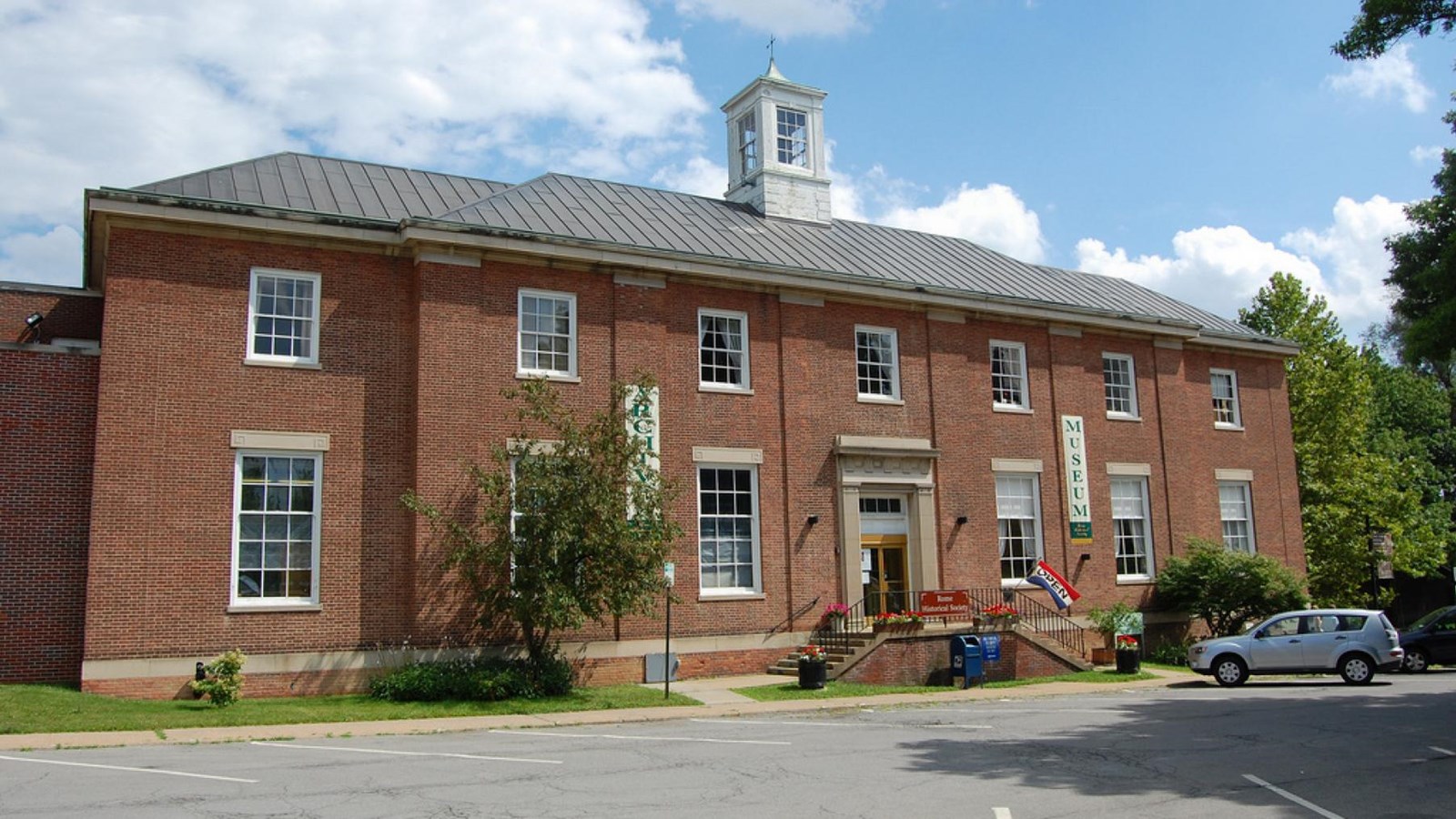
Photo Courtesy of the National Park Service.
On Tuesday, August 2, 2005, Howard Sears, CEO of Sears Oil Company, in conjunction with Rome Clean and Green, opened the newly restored Sears Gas Station on 201 N. George St. in Rome that will now operate as a museum. The ribbon cutting ceremony was held at 1:30 p.m. with an appearance from the Rome Tappet Twirlers car club.
The Sears Oil Company was founded in 1913 and the newly restored station was originally constructed in 1930. The gas station stopped operating and has been vacant since 1974. In 2002, restoration began and its conversion into a museum of Sears’ history began. The museum will include on display restored antique pumps and a variety of artifacts inside the building. The pumps feature glass globes on top and the reproduction of side billboards were installed to complete the project. The museum, with free admission, may appear small in size, but will highlight vast memories of a much simpler, bygone era.
Please visit their website at www.hpsearsoil.com
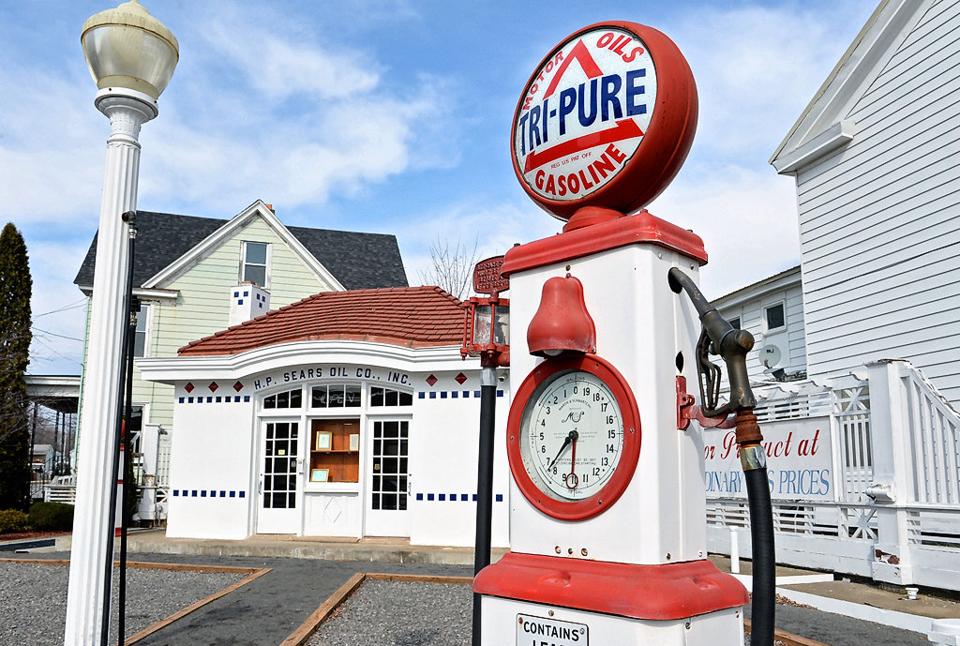
Photo courtesy of newyorkupstate.com
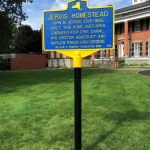
Photo Courtesy of the William G. Pomeroy Foundation
Located at the corner of Washington and Elm Streets in Rome, the former residence of John Bloomfield Jervis remains an important local landmark. Born on December 14, 1795, on Long Island, Jervis became one of the most influential civil engineers of his era. He launched his career working on the Erie Canal construction and later contributed to the development of the Delaware and Hudson Canal. As railroads expanded, he also played a key role in advancing rail infrastructure throughout New York State.
Jervis is perhaps best known for serving as Chief Engineer on the Croton Aqueduct construction, a major engineering accomplishment that delivered a reliable water supply to New York City. A vital component of this system was the High Bridge, an elevated structure that carried water across the Harlem River into Manhattan.
He constructed his Rome home between 1857 and 1858 and lived there until his passing on January 12, 1885. In his will, Jervis donated both his residence and his personal book collection to the city, establishing a free public library. Today, the home still stands and is connected to the library that continues to honor his legacy.
The present church building, a structure of exceptional beauty and harmony of form, was constructed in 1850. Its architect was Richard Upjohn, the foremost church architect of the mid-19th century. Its style is known as neo-gothic. It is the oldest church building in the City of Rome, and its greatest architectural treasure. The church was enlarged in 1866-1867 after the Civil War, and Upjohn’s son and grandson added the parish hall in 1885.
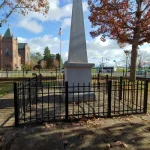
Photocourtesy of the Rome Historical Society
The Tomb stands on a small park plot on the corner of North James and West Liberty Streets in Rome, New York, and is located near the northwest corner of the restored Fort Stanwix National Monument. The site is maintained by the Rome Historical Society.